
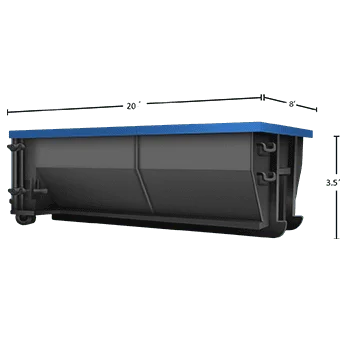
A temporary container for a defined load
A rental dumpster gives a project somewhere to accumulate an agreed debris stream before collection. Describe the source of the material and the work producing it. A household cleanout, bulky items and construction debris should not be treated as the same unspecified load.
The City lists temporary roll-off and bin rental separately from ordinary household carts and directs those temporary enquiries to Athens Services. Give the actual address so the applicable service arrangement can be checked; a Whittier mailing address alone does not establish municipal jurisdiction.
Choose by material as well as volume
A container’s space is only one part of the choice. Dense material can reach an agreed load limit without filling the container, while bulky items can occupy substantial space. Tell the rental contact about any separated material and ask which offered container and loading arrangement suit it.
Discuss permitted materials, weight allowance, fill limits, hire period and any extra-charge conditions in the quote. If the container has a loading door, confirm how much usable space that operation needs. Do not assume every size has the same fittings or accepts the same material.
Keep placement and project paperwork clear
Private-property placement and a proposed public-street position are different requests. Whittier’s contractor agreement subjects public-way bins to City conditions, safe passage and visibility requirements. Resolve the conditions for the actual location before treating a street position as approved.
Construction and demolition work may also involve material recovery and project documentation. Describe those needs in the enquiry and ask which supporting arrangements are included. Rental of a container does not itself settle the project’s reporting responsibilities.
Separate materials that need another channel
Keep hazardous liquids, batteries, electronics and other restricted items out of an ordinary debris load until their disposal arrangements are established. The City distinguishes those materials from normal waste collection. Confirm acceptance of the actual load rather than rely on a general cleanup label.
Los Angeles County’s household hazardous-waste channels serve residents; business-generated waste is excluded from ordinary household events. Eligible small businesses have a separate appointment-based program. A commercial customer should not be directed to a resident-only event as a default disposal solution.
Request delivery, rental and removal together
Provide the address, debris description, estimated amount and intended dates. Ask the quote to state the offered container, accepted material, delivery, rental period, collection and any conditions for an additional load or extra days. Keep the receiving space and collection access usable.
Call the dumpster line or submit the quote form to begin. Porta potty service remains separate: a debris container is not the place to empty sanitary waste from a rented toilet.
Questions before you book
Does the largest available container accept every material?
No. Material type, weight, fill conditions and the offered service determine suitability. Describe the actual debris and confirm acceptance before loading.
Can I choose a public-street position myself?
Describe the proposed position during the enquiry. The actual City and property conditions must be resolved before relying on that location; a rental enquiry is not placement approval.